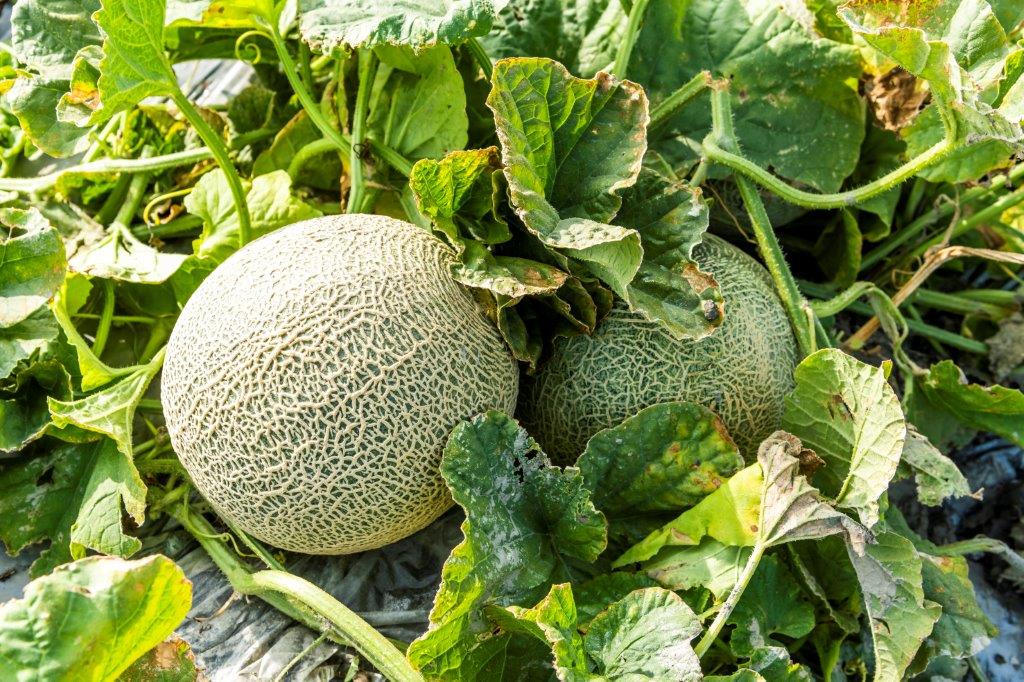

Organic Melon Sivan F1, is a charming Charantais type melon highly praised for its small, round fruits boasting excellent taste, colour, and texture. Melon Sivan also exhibits resistance to powdery mildew.
Traditionally, cultivating melons in the UK has been challenging due to the need for warmth and ample sunshine. However, this Organic Melon Sivan F1 variety exhibits enhanced vigour, capable of fruit production even in less sunny summers. Success is more likely with a polytunnel or greenhouse, where pollination plays a crucial role. In the absence of sufficient insects, manual pollination by transferring pollen from male to female flowers is recommended. Cross-pollination, especially with other Cucurbitae like cucumbers, should be avoided to preserve flavour. Smaller melon types, such as Cantaloupe, are particularly well-suited for home cultivation.
Here’s how to grow melons:
- Sow seeds in pots or modules using high-quality organic seed compost at a temperature of 21 degrees Celsius. Planting seeds on their side reduces the risk of rot.
- Transplant into growbags, placing two plants per bag or in the greenhouse/polytunnel border, spacing them 60cm apart when they develop 4 true leaves. Pinch out the growing tips to encourage side shoots, which lead to earlier flower and fruit production. A week after planting, leave only 2 true leaves by pinching out the growing tip.
- Train two side shoots up wires or strings for support. Once they produce 8 to 10 leaves, pinch out the growing tip on both side shoots.
- Subsequent sets of shoots will yield flowers. After fruit setting, pinch out the growing tip, leaving 2 sets of leaves above the baby melon. Allow only 4 fruits per plant.
- Water and feed the plants adequately.
Regarding pests and diseases: Melons are generally resistant to pests, but remain vigilant for slugs, aphids, and cucumber mosaic virus.
Latin name: Cucumis melo
10 seeds per gardener’s package
Click Here to see some great herbs and flowers which are perfect for vegetable gardens.